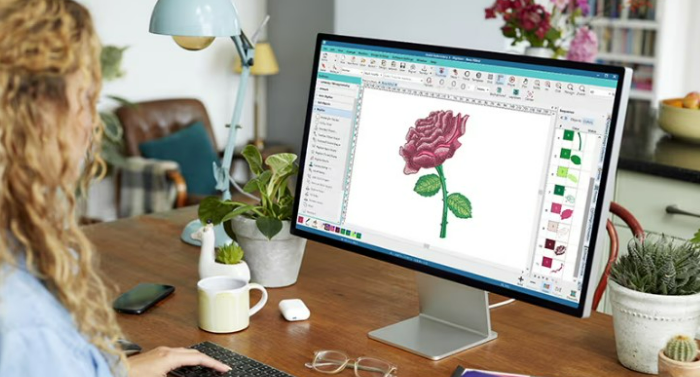
If you want crisp logos, smooth lettering, and professional stitch quality, Digitizing For Embroidery is the key that brings your designs to life on fabric. Whether you’re working on hats, jackets, shirts, patches, or promotional items, the quality of your digitizing directly affects how clean, sharp, and durable your embroidery looks. Poor digitizing leads to thread breaks, puckering, misalignment, and wasted materials but expert digitizing ensures flawless results every time.
In this detailed guide, we’ll break down how expert embroidery digitizing works, why precise stitch control matters, the benefits for businesses and hobbyists, and how professional digitizing elevates your embroidery to the next level.
What Is Digitizing for Embroidery?
Digitizing for embroidery is the process of converting artwork such as a logo, image, or illustration into a machine-readable stitch file. This file tells the embroidery machine exactly:
- Where to place each stitch
- Which direction to sew
- When to change colors
- How dense the design should be
Unlike printing, embroidery requires precise planning because stitches behave differently on fabric. Every curve, angle, and fill pattern must be programmed carefully to avoid distortion.
Why Precise Stitch Control Matters
Stitch control is what separates professional embroidery from amateur work. Without it, even the best design can fall apart on fabric.
Key Benefits of Precise Stitch Control
- Clean edges with no gaps
- Smooth curves and sharp details
- Balanced stitch density
- Reduced fabric puckering
- Strong durability after washing
- Perfect alignment of layers
Precise stitch control ensures that your embroidery not only looks great on day one but also holds up after repeated wear and washing.
How Expert Digitizing Improves Embroidery Results
Professional digitizing goes far beyond simple file conversion. It carefully analyzes:
- Fabric type
- Thread thickness
- Design complexity
- Stitch direction
- Underlay requirements
- Push and pull compensation
Each of these elements affects how the final embroidery will look on real fabric.
Step-by-Step Process of Professional Embroidery Digitizing
1. Artwork Evaluation
The digitizer studies your image to determine:
- Design complexity
- Color count
- Fine details
- Fabric compatibility
2. Manual Digitizing
The design is manually recreated using professional embroidery software. Each stitch is placed intentionally not auto-traced.
3. Underlay Stitching Setup
Underlay stitches help stabilize the fabric and support the top stitches for cleaner results.
4. Stitch Direction Planning
Stitch direction affects shine, texture, and how light reflects across the design.
5. Density & Pull Compensation
Adjusting stitch density prevents gaps, overlapping, and fabric puckering.
6. Final File Testing
The design is test-stitched and optimized before final delivery.
Types of Embroidery Digitizing
Flat Embroidery Digitizing
Standard embroidery used for most logos and lettering on shirts, jackets, and bags.
3D Puff Digitizing
Creates raised foam embroidery commonly used on caps and sportswear.
Appliqué Digitizing
Used for large designs with fabric placement to reduce stitch count.
Photo Digitizing
Turns realistic photos into stitch-based embroidery designs with shading.
Digitizing for Different Fabric Types
Each fabric requires a different digitizing approach:
- Cotton: Easy to handle, standard stitch density
- Polyester: Needs lighter density to avoid thread breaks
- Caps/Hats: Requires special center-out digitizing techniques
- Stretch Fabric: Needs extra stabilization and pull compensation
- Leather: Requires wider stitch spacing to prevent tearing
Expert digitizing adapts to the fabric to ensure perfect results.
Common Embroidery Problems Caused by Poor Digitizing
Bad digitizing often leads to:
- Thread breaks
- Broken needles
- Poor registration
- Uneven fills
- Distorted lettering
- Fabric puckering
These issues waste time, material, and money especially for businesses handling bulk orders.
Benefits of Professional Digitizing for Embroidery
1. Consistent Quality
Every batch looks exactly the same with perfect repeatability.
2. Faster Production
Clean stitch paths run smoother on machines with fewer stops.
3. Cost Savings
Less thread waste, fewer rejects, and reduced machine downtime.
4. Higher Customer Satisfaction
Your finished products look professional and long-lasting.
5. Broader Machine Compatibility
Digitized files can be exported to multiple formats like PES, DST, EXP, JEF, VP3, and more.
Embroidery Digitizing for Logos
Logos are the most common use of embroidery digitizing. A well-digitized logo:
- Maintains brand integrity
- Stays readable at small sizes
- Looks sharp on caps and uniforms
- Holds up after repeated washing
Poor digitizing can destroy brand consistency and visual appeal.
Digitizing for Hats and Caps
Hat embroidery is one of the most challenging digitizing tasks. It requires:
- Center-out stitch direction
- Proper compensation for curved surfaces
- Special underlays
- Lower density in foam areas
Expert handling is essential for professional cap embroidery.
Digitizing for Jackets, Patches & Workwear
Thicker fabrics require different stitch settings:
- Higher tension
- Firmer underlay
- Reinforced edges
This ensures durability for heavy-use garments like uniforms and jackets.
Auto Digitizing vs Manual Digitizing
Auto Digitizing
- Fast but inaccurate
- Poor stitch flow
- Limited customization
- Not production-ready
Manual Digitizing
- Superior stitch control
- Fully optimized for fabric
- Custom stitch direction
- Professional results
Manual digitizing is always the preferred choice for commercial embroidery.
File Formats Used in Embroidery Digitizing
Common machine formats include:
- DST – Tajima
- PES – Brother & Babylock
- JEF – Janome
- EXP – Melco, Bernina
- VP3 – Viking & Pfaff
Each machine requires a specific file type for accurate stitching.
Who Needs Professional Digitizing for Embroidery?
- Apparel brands
- Promotional product companies
- Embroidery shops
- Sports teams
- Custom merchandise businesses
- Corporate uniform suppliers
- Designers and creatives
Anyone producing embroidered products benefits massively from professional digitizing.
How Digitizing Affects Stitch Durability
Good digitizing:
- Prevents loose threads
- Preserves stitch integrity
- Resists fraying
- Ensures long-term wash durability
Poor digitizing can cause peeling, unraveling, and distorted embroidery over time.
Turnaround Time for Professional Embroidery Digitizing
Most expert digitizing services deliver:
- Simple logos: 6–12 hours
- Moderate designs: 12–24 hours
- Complex designs: 24–48 hours
Rush services are commonly available for urgent production.
Cost Factors in Embroidery Digitizing
Pricing depends on:
- Stitch count
- Design complexity
- Number of color changes
- File format required
- Turnaround time
Simple designs cost less, while highly detailed artwork requires more digitizing time.
Why Expert Digitizing Is an Investment, Not an Expense
Professional digitizing:
- Reduces machine errors
- Prevents wasted garments
- Increases production speed
- Protects your brand reputation
- Boosts customer trust
In the long run, high-quality digitizing saves far more than it costs.
Final Thoughts
Expert embroidery digitizing with precise stitch control is the foundation of high-quality embroidery production. From logos and hats to jackets and patches, digitizing determines how your design performs on fabric. Clean stitch flow, controlled density, proper underlay, and fabric-specific optimization make all the difference between amateur and professional embroidery.
For anyone serious about flawless embroidery results, trusted precision, and consistent quality across every project, Digitizing Buddy delivers expert digitizing solutions built for real-world production demands.